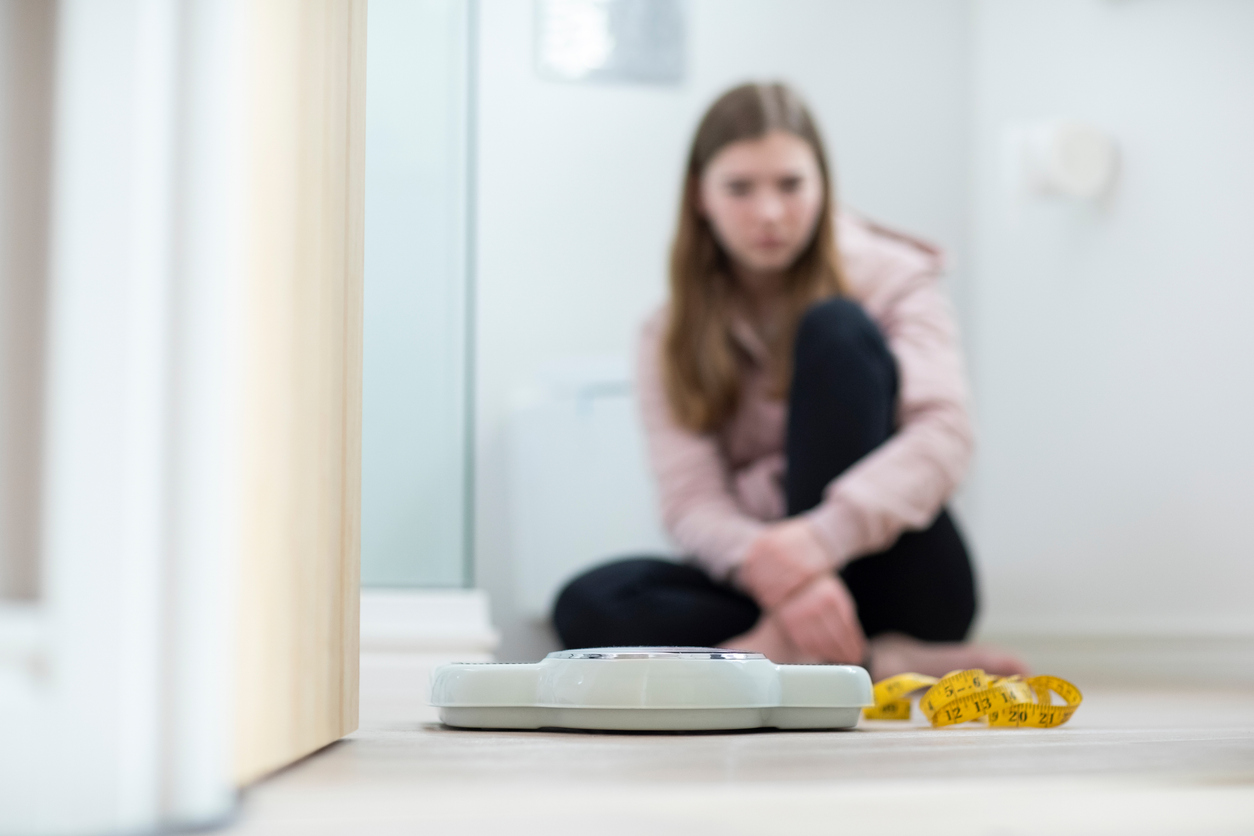

Body Image in Early Spring: Getting Out of “Summer Countdown” Anxiety Without Diet Culture
Early spring is sneaky.
It starts with a warm day and suddenly your brain goes, “Oh no, it’s coming.”
Beach season. Shorts. Swimsuits. Photos. Social plans. The “I should be doing something” voice.
In Wilmington, that shift can happen fast. One week you’re in layers, the next you’re feeling exposed. Even people who don’t think of themselves as having body image issues can get hit with a sudden wave of self-consciousness.
You might notice:
- getting dressed takes longer because nothing feels “right”
- you start avoiding certain plans because you don’t want to be seen
- you feel more irritable, insecure, or withdrawn
- you’re scanning your body in mirrors, photos, or reflections
- you make mental rules like “I’ll feel better when I lose ___”
- you swing between “I don’t care” and “I care too much”
- you promise yourself you’ll “be good” starting Monday
This isn’t vanity. It’s pressure. And it’s a pressure that can quietly take up a lot of mental space.
The good news is that you don’t have to join the seasonal panic. You can have a different relationship with your body and still enjoy spring and summer in a place like Wilmington, where being outdoors is part of life.
Why early spring ramps up body image anxiety
Body image struggles aren’t only about how you look. They’re about what your brain believes your body means.
In early spring, a few things collide:
1) Increased visibility
More skin, more photos, more comparisons. When your body becomes more visible to you and others, self-monitoring increases.
2) “Summer countdown” messaging
Marketing gets louder: “Get ready.” “Glow up.” “Beach body.” Even if you don’t follow diet culture intentionally, it’s hard to avoid.
3) Control seeking
When life feels busy or uncertain, body control can become the place people try to get certainty. Food rules, exercise rules, and appearance rules can feel like order in a chaotic world.
4) Social comparison
Spring brings weddings, trips, reunions, and social events. Comparison becomes a sport. Even confident people can feel off when everyone is posting highlight reels.
If you’re noticing early spring body stress, it doesn’t mean you’re failing at confidence. It means you’re responding to an environment that profits from insecurity.
A quick check: is this normal discomfort or a bigger pattern?
Some self-consciousness is common. It’s worth paying attention if you notice:
- your mood changes when you see your reflection
- you’re skipping meals, restricting, or overexercising
- you’re binging or emotionally eating and then spiraling in shame
- your self-worth is tied to a number, size, or “progress”
- you’re avoiding beaches, pools, photos, or intimacy
- you feel stuck in “I hate my body” thoughts most days
If any of that is true, support can help. Body image distress is treatable, and you don’t have to wait until it’s extreme to get help.
What actually helps (and what usually backfires)
Let’s be honest about what backfires:
- “Just love your body” (too big of a jump)
- “Stop caring what people think” (not how brains work)
- Crash diets and intense workout plans (they often increase obsession)
- Avoidance (it gives relief short-term and more fear long-term)
What helps is smaller, more realistic, nervous-system-friendly steps.
7 practical tools for early spring body image anxiety
1) Stop treating your thoughts as facts
When your brain says, “I look terrible,” it’s presenting an opinion as a fact.
Try this shift:
- “I’m having the thought that I look terrible.”
- “My brain is scanning for danger and judgment.”
That one sentence gives you space. It reminds you a thought is a mental event, not a verdict.
2) Reduce body-checking on purpose
Body-checking is anything you do to “make sure” you look okay:
- mirror checking
- pinching, measuring, grabbing
- taking and retaking photos
- comparing yourself to others online
- scanning your outfit repeatedly
The more you check, the more your brain learns that your body is a threat that needs monitoring.
Pick one boundary for a week:
- one mirror check before leaving, not five
- no reflection scanning in windows
- stop zooming in on photos
- unfollow one account that spikes comparison
Small reductions matter.
3) Wear the “bridge outfit”
If spring clothing feels too vulnerable, don’t jump straight to shorts and a tank. Use bridge outfits that feel safe:
- flowy dress with a light layer
- linen pants with a fitted top
- shorts with an oversized button-down
- a swimsuit cover-up you actually like
The goal is not to hide forever. The goal is to reduce the “I can’t leave the house” feeling so your life stays open.
4) Eat like someone who wants stable mood
Restricting often increases anxiety, irritability, and obsession. Skipping meals can make body image worse because your brain gets more reactive.
A simple standard:
- protein + fiber + fat at meals when possible
- snacks that actually stabilize you (not just caffeine)
If eating feels complicated or emotionally loaded, therapy can help untangle the cycle without judgment.
5) Move your body for regulation, not punishment
A lot of people exercise to “earn” food or change their body before summer. That mindset usually increases shame and rigidity.
Try movement as regulation:
- a walk by the water
- yoga or stretching
- strength training with a sustainable plan
- dancing in your kitchen
- anything that helps your body feel more like home
If movement feels compulsive or tied to panic, that’s worth talking through.
6) Practice “body neutrality” instead of forced positivity
You don’t have to love your body every day. You can aim for a more realistic middle ground.
Body neutrality sounds like:
- “My body is allowed to exist as it is.”
- “My worth is not up for debate.”
- “I can feel uncomfortable and still live my life.”
This is often more achievable than “I love everything about myself.”
7) Take one action that reconnects you to life, not appearance
Body image struggles shrink life. The best counter is living.
Pick one small thing you’ve been avoiding:
- walking on the beach
- wearing the shorts
- taking the photo
- going to the event
- being present instead of hiding behind your phone
Not as a performance. As a reclaiming.
If you’re parenting teens, this matters too
Teens pick up our stress more than we realize. If you’re constantly criticizing your body, dieting, or talking about “getting back on track,” kids learn that bodies are projects and self-worth is conditional.
A healthier model is:
- neutral language about food and bodies
- focusing on strength, energy, and mood rather than size
- talking about how media and marketing drive comparison
If body image struggles are affecting your teen, early support makes a big difference.
When therapy can help (and what it looks like)
Therapy can help you:
- reduce body checking and obsessive thoughts
- untangle shame and perfectionism
- heal binge-restrict cycles
- build a relationship with food that isn’t ruled by fear
- handle the anxiety that fuels control behaviors
- feel more comfortable in your body while still living your life
Some people come in because the problem feels “small.” Then they realize how much mental energy it’s been consuming for years. You don’t have to carry that alone.
In Wilmington, early spring is a common time people reach out because the season shift makes the anxiety obvious. Support is especially helpful if you want to enjoy beach season without spending the whole time negotiating with your body.
A simple plan for this week
If you want something concrete, try this for seven days:
- Pick one “bridge outfit” that helps you leave the house without spiraling
- Reduce one body-checking behavior
- Add one regulating movement habit (10–20 minutes counts)
- Do one thing you’ve been avoiding because of appearance fears
If you notice even a small drop in anxiety, you’re on the right track. If you try this and the shame voice stays loud, that’s not a failure. That’s a sign you might benefit from more support and more tools tailored to your patterns.
Early spring doesn’t have to become a season of self-criticism. You can step out of the “countdown” mentality and back into your actual life.