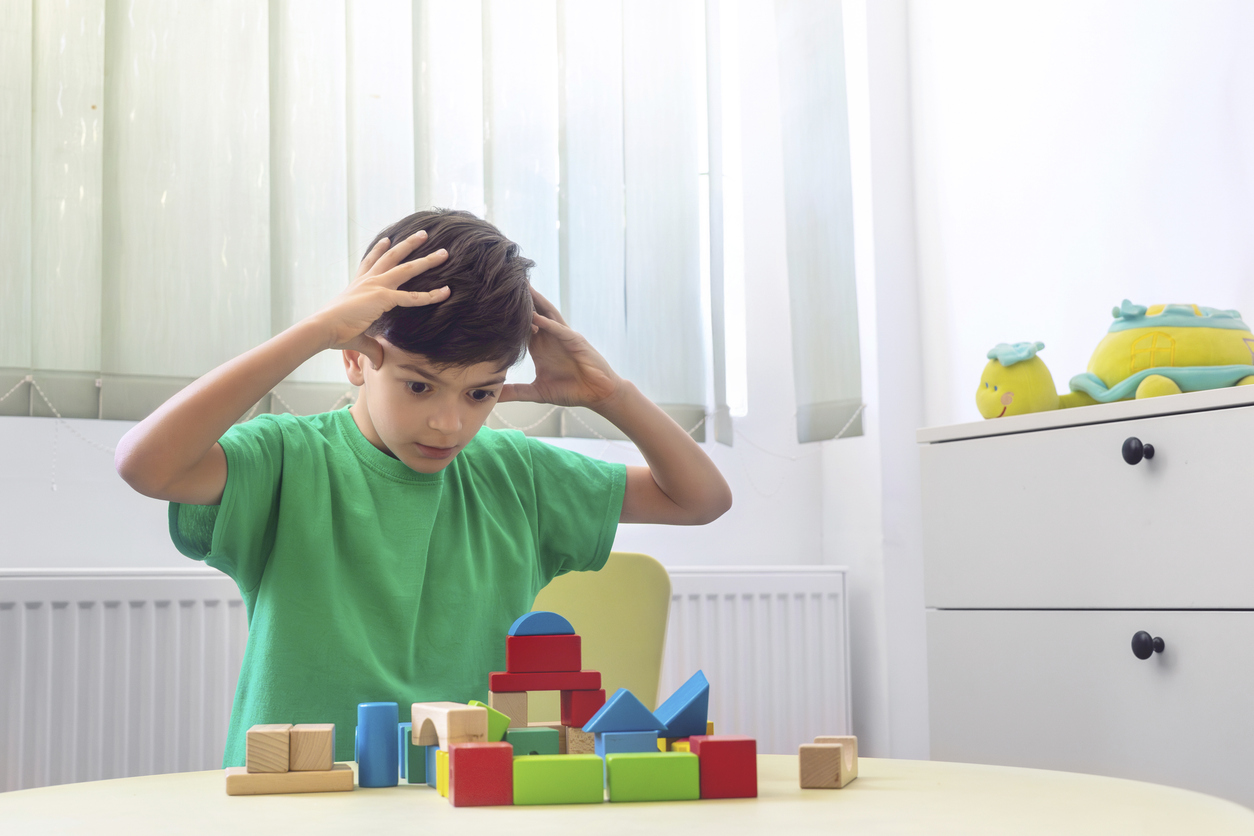

Why Kids Melt Down More in February (and What to Do About It)
A lot of parents notice the same pattern every year:
“Why is my kid suddenly more emotional right now?”
February can be a perfect storm for kids—especially in a season where routines feel repetitive and everyone’s spending more time indoors. Even in Wilmington where winters are milder than up north, the combination of shorter days, fewer outdoor resets, school pressure, and family stress can show up as more meltdowns.
Kids don’t usually say, “I’m overwhelmed.”
They show it.
You might notice:
- tantrums that seem out of nowhere
- crying over small things
- increased defiance
- more clinginess
- sleep battles
- stomachaches or school refusal
- “big feelings” at the most inconvenient times
That doesn’t automatically mean something is wrong. But it does mean your child needs support.
If you’re seeing a pattern you can’t soothe through, child therapy in Wilmington, NC can help your child (and your family) feel steadier.
Why February hits kids differently
Kids have less internal regulation capacity than adults. They rely on external supports:
- predictable routines
- movement
- play
- connection
- time outside
- calm, consistent boundaries
When those get disrupted—or when stress builds—kids often try to regain a sense of control externally.
That can show up as power struggles over:
- homework
- bedtime
- getting dressed
- leaving the house
- screens
- food
They aren’t trying to ruin your day. They’re trying to feel safe.
6 parent moves that help (right away)
1) Name the feeling before the lesson
Try:
- “Something feels hard right now.”
- “Your body looks really overwhelmed.”
- “I’m here.”
Then, when they’re calmer, you can problem-solve.
2) Reduce the number of transitions
Kids melt down more when they’re switching tasks constantly.
If possible, simplify February:
- fewer optional commitments
- more predictable evenings
- fewer rushed mornings
3) Give two choices (not ten)
Choices help kids feel empowered—but too many choices overwhelm. Try:
- “Do you want to do homework now or in 10 minutes?”
- “Blue shirt or gray shirt?”
- “Bath first or pajamas first?”
4) Build one daily regulation habit
Pick one consistent tool:
- a walk after school
- trampoline time
- music and movement
- sensory play
- quiet reading time
- outdoor time whenever possible
Consistency beats intensity.
A child therapist in Wilmington can help you identify which regulation tools match your child’s temperament and needs.
5) Strengthen connection during neutral moments
When kids only get attention during meltdowns, the brain learns: “big feelings are how I get closeness.”
Try 10 minutes a day of “no agenda” connection:
- play
- drawing
- Legos
- reading
- being silly
No teaching. No correcting. Just connection.
6) Stop blaming yourself
If you’re thinking “I’m doing something wrong,” pause. Parenting is hard, and kids can struggle even in loving homes. Guilt doesn’t regulate a child. Support does.
How child therapy and play therapy help
Kids often can’t explain what’s happening inside. Therapy gives them a place to express emotions safely and build skills.
Child therapy can help with:
- emotional regulation
- anxiety
- big transitions (divorce, moves, grief, school stress)
- behavioral challenges that have an emotional root
- confidence and communication
Many children do best with play-based approaches because play is how kids communicate. Clarity offers child therapy services that include play therapy approaches.
If February feels like a monthly “we’re barely holding it together” season in your home, you don’t have to white-knuckle it. Reach out for child therapy in Wilmington, NC, and we’ll help your child feel more secure—and help you feel more confident as the parent.